Managed CDC Service Compliance Certifications for Regulated Industries
Vendors must meet the same compliance standards as the databases they replicate from.
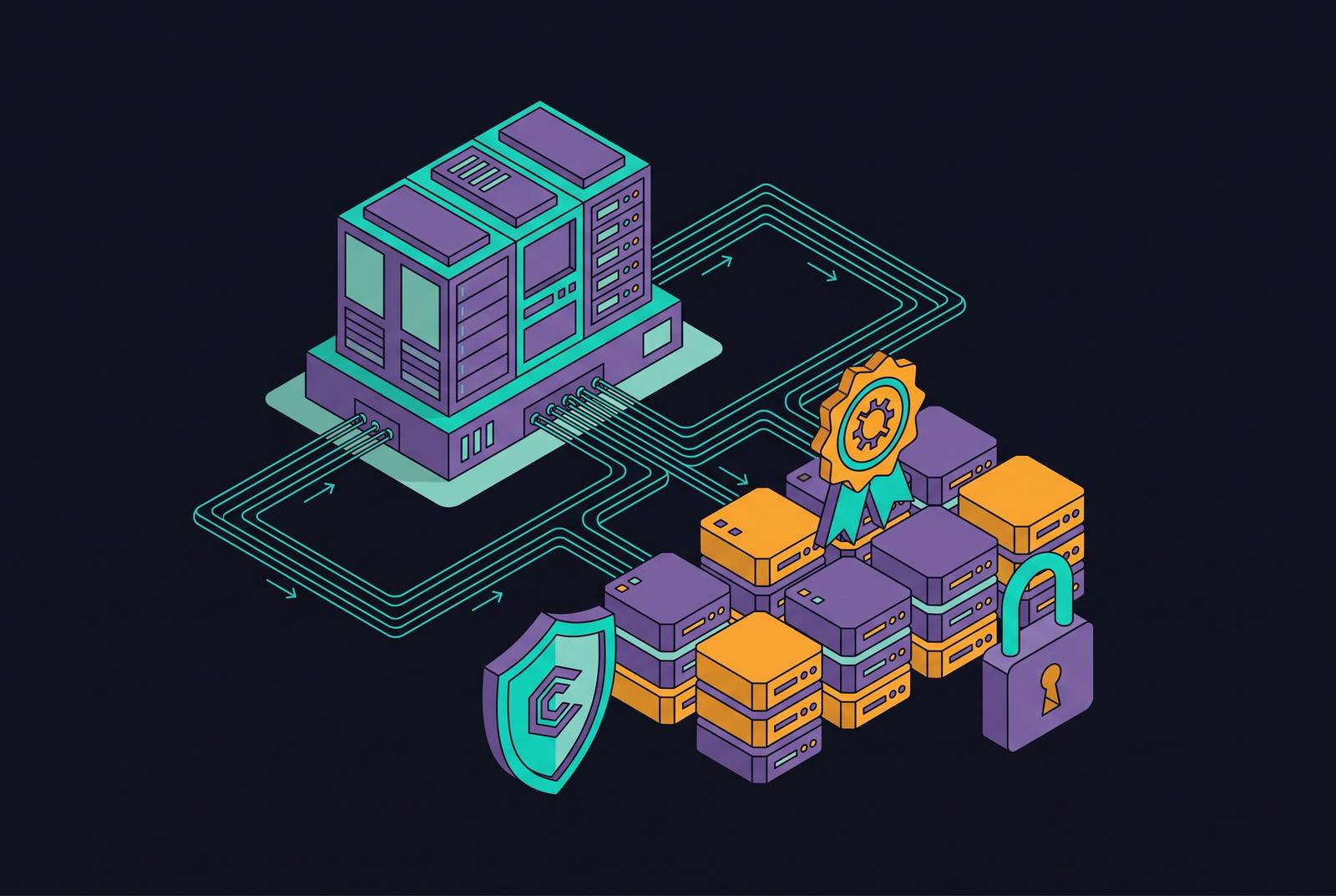
Managed CDC service compliance depends on both vendor controls and pipeline architecture. Because change data capture streams sensitive database changes, the replication layer must meet the same compliance rules as the source. SOC 2 Type II, a HIPAA Business Associate Agreement, PCI DSS, and ISO 27001 address different obligations, while passthrough architecture reduces the exposure created by intermediate storage.
Why CDC pipelines carry the same compliance burden as the databases they read from
A team enables CDC to get production data into a warehouse faster, then discovers during an audit that the replication service was never evaluated against the source database’s controls. That is the gap regulated teams must avoid. CDC captures every insert, update, and delete, so PHI, PII, and financial records flow through the replication layer in full fidelity. These are not summaries or masked copies. The service handles the sensitive records themselves, even when its purpose is only to move them.
The source, replication layer, and destination warehouse each become a point of exposure requiring encryption, access control, and audit logging. Traditional ETL pipelines extend that scope further when they stage copies across intermediate systems. Each additional system needs the same safeguards. An organization that evaluates its EHR or payment database but leaves the outbound pipeline unexamined therefore has an incomplete control boundary.
What HIPAA actually requires from any vendor that touches PHI in transit
HIPAA’s Security Rule requires administrative, physical, and technical safeguards for electronic protected health information. A CDC vendor that receives ePHI is a business associate and must meet those duties itself. The obligation follows the data into the service. HIPAA still applies to a vendor when the healthcare provider owns the records or the destination belongs to the customer.
The Business Associate Agreement, or BAA, makes that responsibility explicit. A service that stores, processes, or transmits PHI on behalf of a covered entity must sign a BAA and implement the required controls. Without that agreement, the engagement is non-compliant regardless of the vendor’s other certifications. A SOC 2 report or infrastructure certificate cannot replace the agreement that governs the vendor’s handling of PHI.
For a CDC service, the technical safeguards include encryption of PHI in transit and at rest, role-based access controls that limit access to change event data, and audit logs of pipeline activity. These controls apply to the replication service’s own handling of records. The practical distinction is between a vendor accepting its responsibilities in writing and the deployed pipeline actually satisfying those responsibilities.
A service may run on infrastructure covered by a cloud provider’s BAA without making its own pipeline deployment compliant. The customer remains responsible for encryption, access control, and audit logging at the application layer. The Office for Civil Rights has penalized solo practitioners and small business associates, so it can enforce the rules even when an organization is small or a service only acts as an intermediary.
What SOC 2 Type II actually audits — and why Type I alone is not enough for procurement
Where HIPAA establishes regulatory duties for PHI, SOC 2 provides an independent attestation that procurement teams use to assess vendor controls. An independent CPA firm issues the report against the Trust Services Criteria included in the examination. The five criteria are security, availability, processing integrity, confidentiality, and privacy. Report scope is therefore an essential distinction. A SOC 2 claim does not, by itself, establish that all five criteria were examined.
Type I assesses whether controls were designed appropriately at a single point in time. Type II checks whether those controls worked as designed over an audit period, usually six to twelve months. Design and sustained operation are different claims. For a service that keeps replicating production records, evidence that controls worked across an audit period gives buyers more assurance than a check on a single day can.
Because of that difference, buyers of managed CDC should require Type II as a baseline. A pipeline whose controls looked appropriate on one audit day has not provided the same evidence as one whose controls functioned consistently during production replication. The report’s currency also affects its value. SOC 2 reports have a finite validity window, and a report beyond that window represents a lapsed audit. Historical evidence is not a substitute for a current assessment of a vendor handling continuous streams.
Even a current Type II report has limits. SOC 2 derives its force from customers, who can otherwise require long security questionnaires, delay deals, and block enterprise procurement. It does not establish HIPAA compliance or replace a BAA. The two serve different purposes, so a vendor handling PHI needs the applicable regulatory agreement and controls as well as the operational evidence buyers expect.
How PCI DSS and ISO 27001 extend the certification stack for financial and multinational data flows
PCI DSS extends the evaluation to cardholder data. It governs vendors that store, process, or transmit that data, which puts a CDC service streaming changes from a payments database in scope. The database’s compliance does not cover the replication vendor. The service must satisfy the applicable controls independently, just as its handling of PHI creates responsibilities separate from those of a healthcare provider.
ISO 27001 addresses a different part of the vendor’s security posture. It is a formal certification issued by an accredited registrar and recognized globally. Where SOC 2 provides evidence about control operation, ISO 27001 establishes that an information security management system governs the design, implementation, and continuous improvement of controls. For multinational data flows, its global recognition adds a separate basis for evaluating how the vendor manages security.
That management claim also requires continuing evidence. ISO 27001 certificates are valid for three years, with annual surveillance audits required during that period. Buyers should verify both the certificate date and completion of the most recent surveillance audit. The certificate date is only one part of that check.
SOC 2 Type II supplies the baseline evidence of operating controls, while a HIPAA BAA is required for PHI and PCI DSS applies to cardholder data. ISO 27001 adds evidence of systematic security management. None answers every question the others address. A defensible vendor posture therefore depends on matching the evidence to the records being replicated, rather than accepting whichever certificate the vendor presents first.
Why a passthrough architecture matters as much as any certificate the vendor holds
A CDC vendor that persists change events in its own storage creates another location for regulated records. That storage can include buffered records, intermediate copies, or full row images written to durable logs. PHI or cardholder data is now in another system that must meet the certification, audit, and breach notification rules that apply to that data.
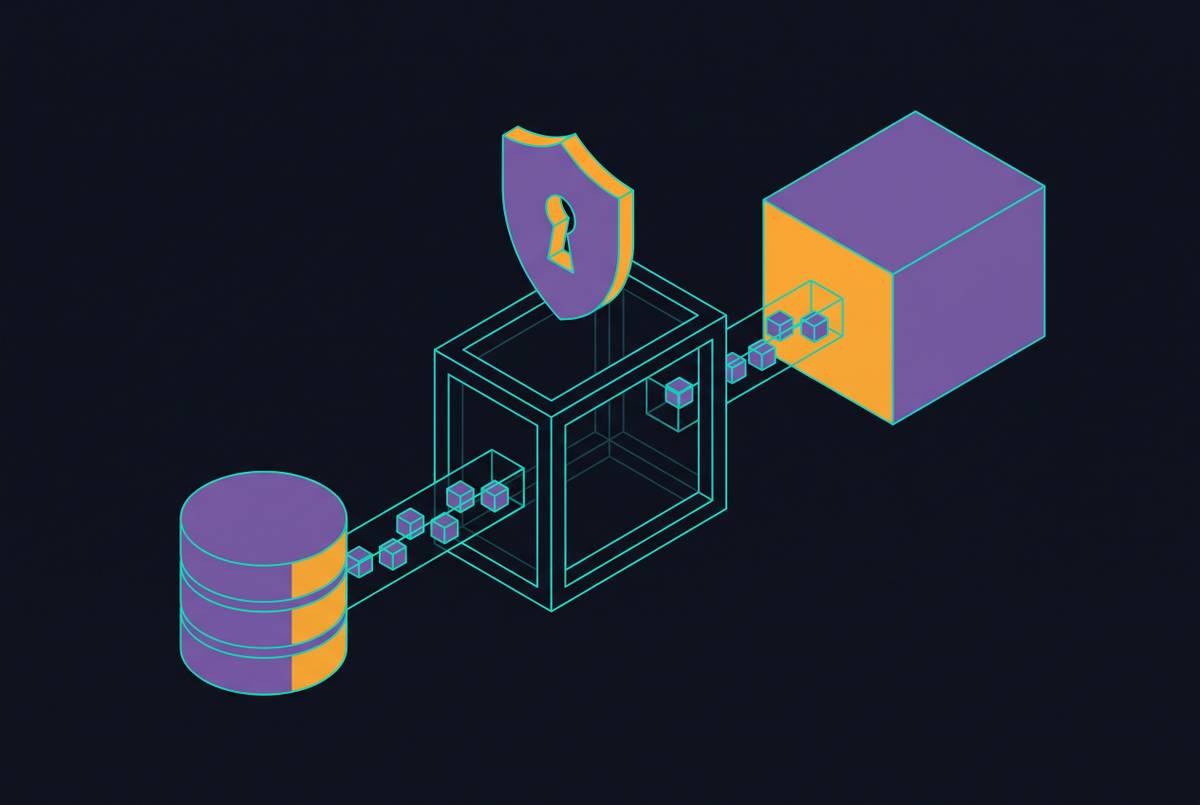
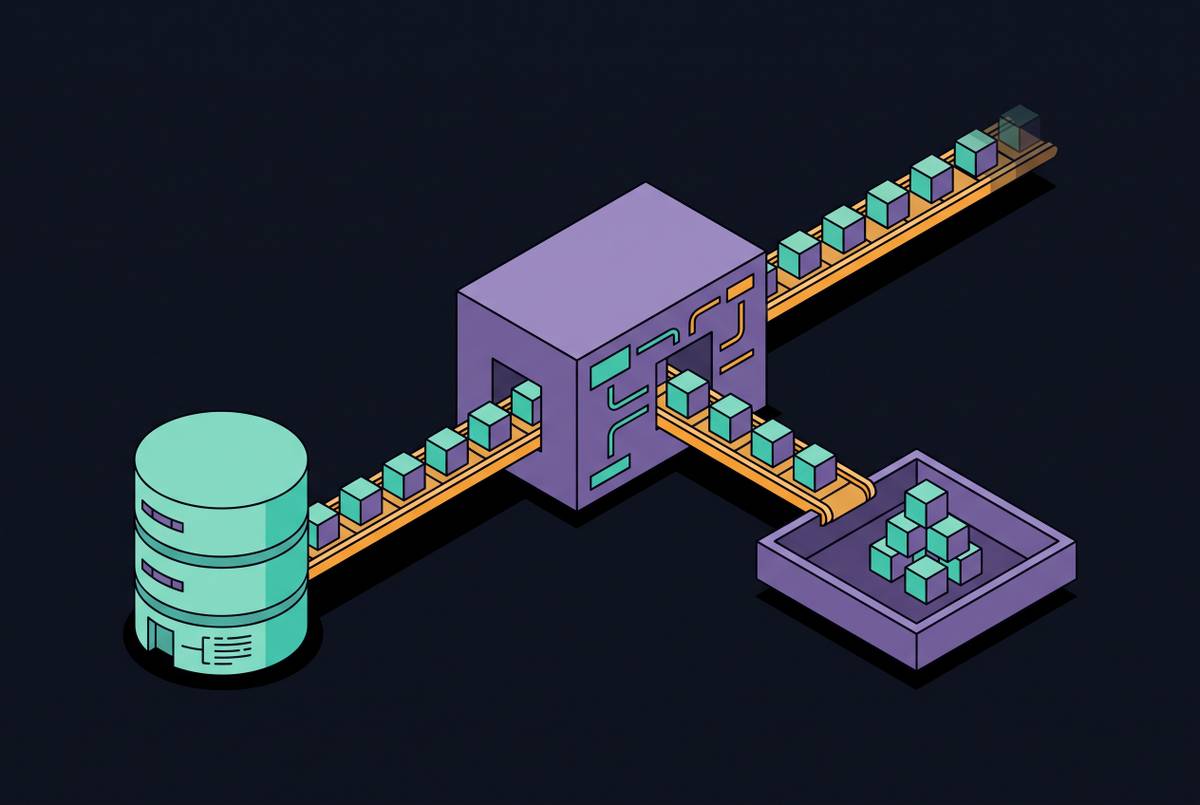
A passthrough architecture routes change events from source to destination without persisting them in the vendor’s own storage layer. That avoids adding a vendor-held repository of sensitive records between customer-controlled endpoints. It does not exempt the service from transmission controls. Instead, it reduces the storage footprint to which those controls and audit obligations must apply. The distinction reconciles two requirements that can otherwise appear contradictory, namely evaluating the replication service while avoiding unnecessary intermediate copies.
The value of a certificate therefore depends partly on the architecture it covers. A SOC 2 Type II report for a service that buffers PHI in vendor storage addresses a different exposure from a report for a service that never stores it there. Both require appropriate controls for the data they handle. But the first architecture introduces a stored copy that the second avoids. An audit can assess controls around that copy, but cannot retroactively remove the exposure created by retaining it.
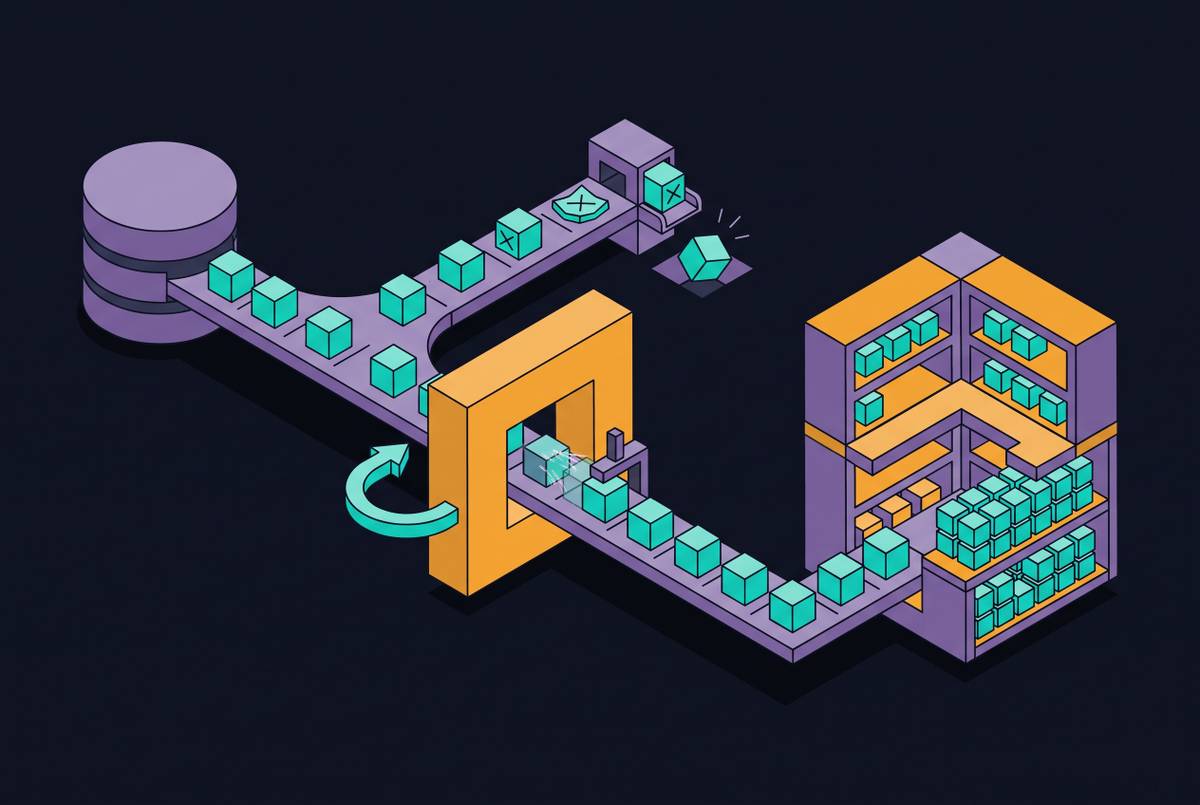
Storage also changes what buyers need to understand about encryption, access, and logging. Encryption at rest protects records that are kept, while role-based access controls set who can reach them and audit trails must show the activity across all the systems that handle them. Traditional pipelines with source, staging, and warehouse copies require that activity to be correlated across intermediate systems. Passthrough removes that particular source of audit complexity. Buyers should therefore ask whether change event data is persisted anywhere in the vendor’s infrastructure, where it is held, and for how long.
What certification questions should regulated teams put directly to a CDC vendor
Teams should get answers in writing before the vendor touches production data. For SOC 2 Type II, request a current report and establish which Trust Services Criteria were in scope. Security alone is the minimum, while availability and confidentiality are significant for continuous replication workloads. The report label is not enough by itself. What the report tells the buyer depends on its type, the audit period, whether it is current, and what it covers.
For PHI, ask whether the vendor will sign a BAA and request the template before procurement. A vendor that refuses or cannot produce one is not a viable option for the pipeline. Then confirm that encryption of ePHI in transit and at rest is implemented at the vendor layer, rather than delegated entirely to the customer’s cloud configuration. The responsibility must be explicit in the documentation. That separates a service prepared to handle PHI from one relying only on the eligibility of its underlying infrastructure.
For cardholder data, ask for the vendor’s current Report on Compliance or Self-Assessment Questionnaire. Confirm that network segmentation prevents cardholder data from commingling with non-PCI workloads in the vendor’s infrastructure. For ISO 27001, request the certificate, the accredited registrar’s name, and documentation of the most recent annual surveillance audit. A general security presentation does not supply the evidence needed to resolve them.
The architecture review should then establish whether the vendor persists change event data anywhere in its infrastructure. If it does, require the location, retention period, and access controls in writing. Ask how the service handles upstream schema changes when source columns are added or dropped, and require the vendor to explain how automatic schema evolution works for live CDC pipelines. An unexplained response to schema changes leaves the risk of production breaks and undocumented gaps in the audit trail unresolved.
The vendor should distinguish delivery at the sink, end-to-end delivery, and guarantees confined to an intermediate broker layer, because guarantees confined to that layer can allow duplicate PHI records to appear in the warehouse without detection. A vendor willing to answer these questions in writing, with supporting documentation, demonstrates the operational posture that its certifications are meant to represent.